UsedBookR.com,22/C Goutham Nagar, palani goundan pudur Vadamadurai post, Coimbatore, Tamilnadu, India - 641017
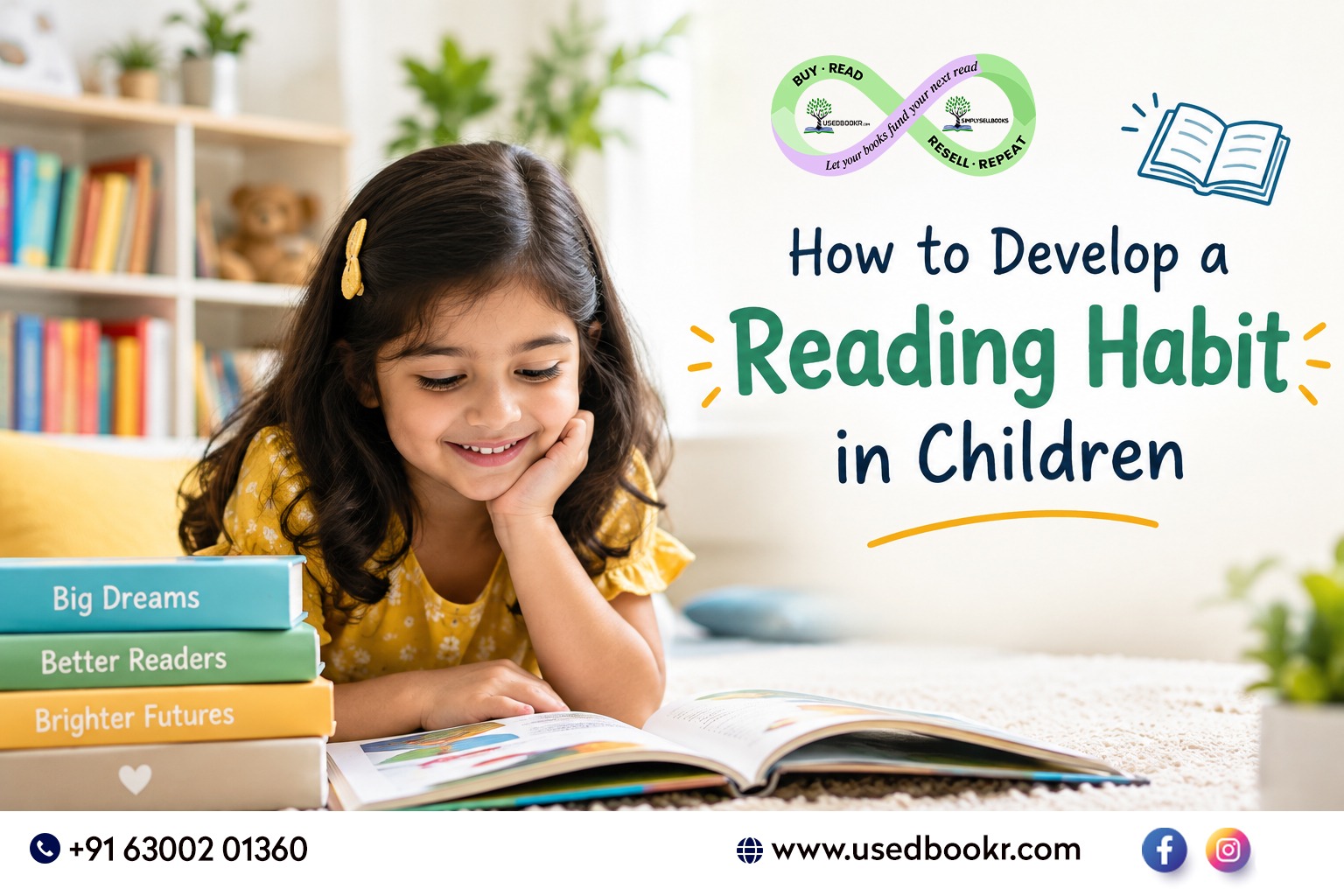
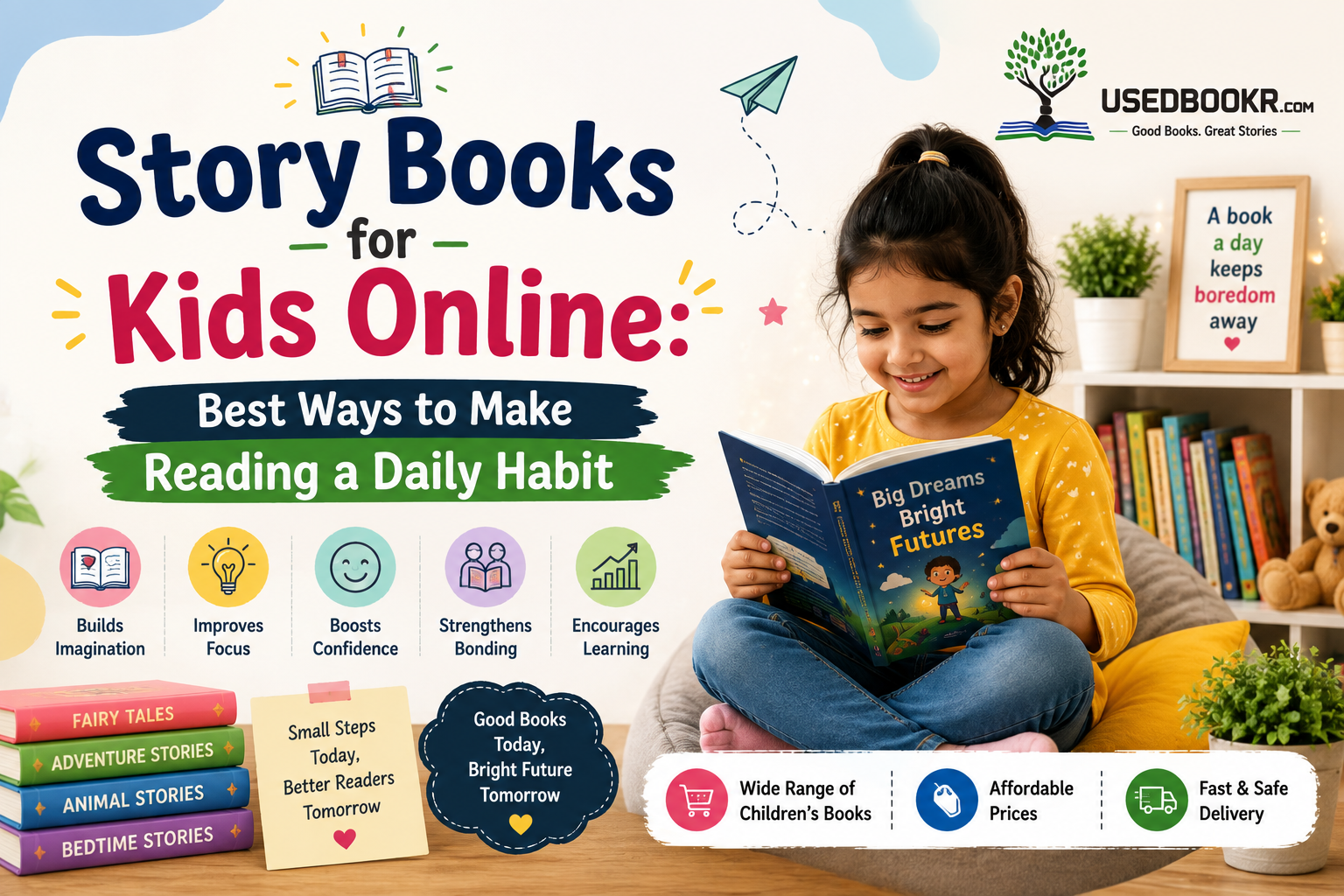
Developing a reading habit in children can have a lasting
impact on learning, imagination and communication skills. Building a home
library does not have to mean purchasing expensive new books every time,
especially when children quickly move from one book to another.
Giving children access to different reading materials can
help them discover the types of books they enjoy most. Picture books,
storybooks, activity books, rhymes and comics can all make reading a regular
and enjoyable part of childhood.
The key is to make books accessible, allow children some
freedom to choose, and create simple reading routines that parents can maintain
consistently.
Why Reading
Is Important for Children
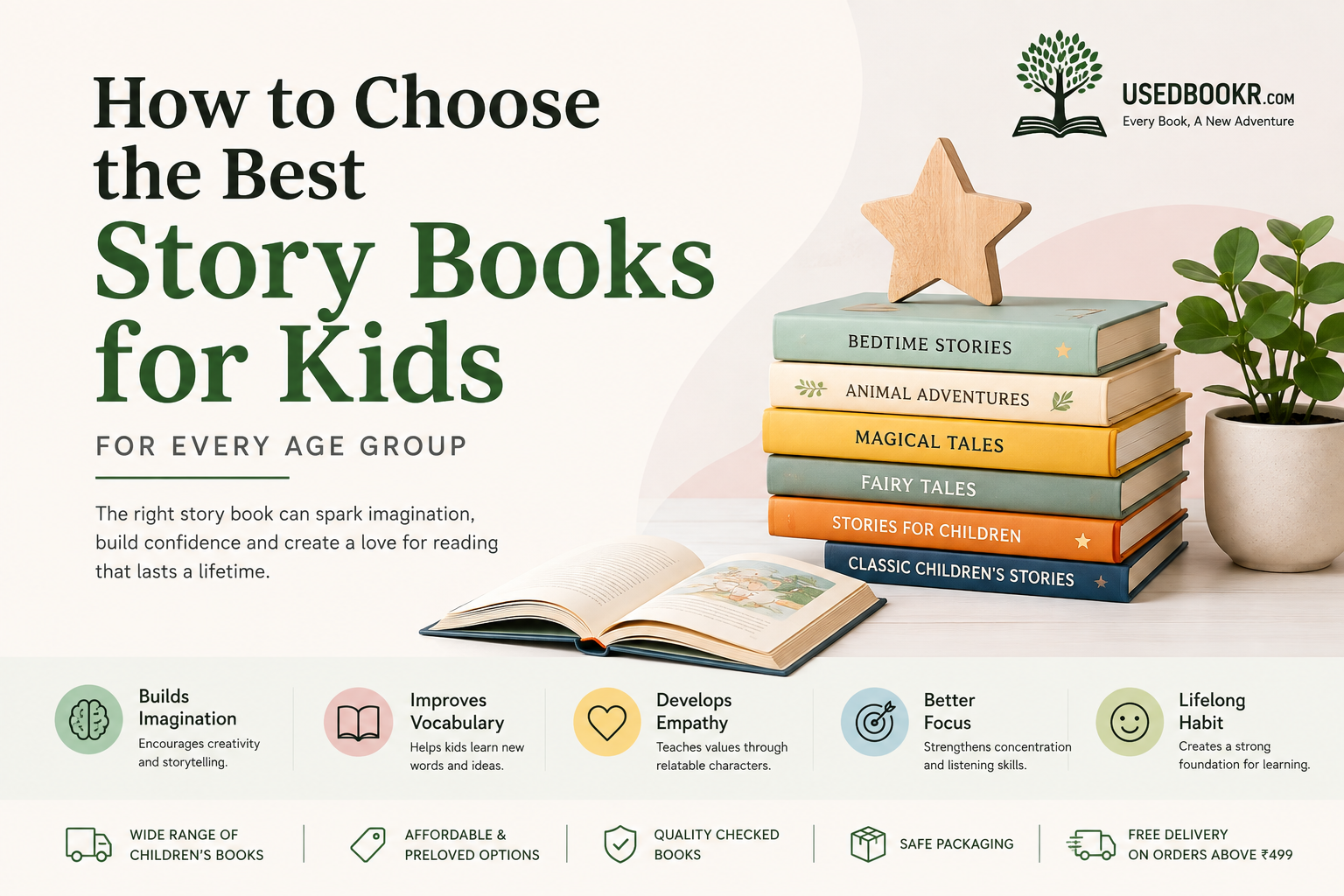
Reading gives children an opportunity to discover new ideas
and experiences beyond their everyday surroundings. Regular reading can
introduce them to different characters, places, cultures and situations while
encouraging imagination.
Children's books can also help young readers become familiar
with new words and sentence structures. As children encounter new vocabulary
through stories, they can gradually become more comfortable with reading and
understanding written information.
A consistent reading routine can therefore become a useful
part of a child's everyday learning.
Make Books
Easily Available at Home
One of the simplest ways to encourage children to read is to
keep books where they can easily see and reach them. When children have access
to books at home, they can pick something to read whenever they feel
interested.
Parents do not necessarily need to purchase expensive new
books every time. Used and second-hand books in good condition can provide more
choices while helping families manage book-buying costs. Having several books
available also gives children opportunities to move from one story or subject
to another.
Let
Children Choose Their Books
Children are more likely to enjoy reading when they have
some freedom to choose what they want to read. One child may enjoy stories,
while another may prefer rhymes, comics, animals or interactive books.
Parents can browse Children's Books and offer a few suitable
choices. Giving children the opportunity to select their next book can make
reading feel like an enjoyable activity rather than a compulsory task.
Discover
Different Types of Children's Books
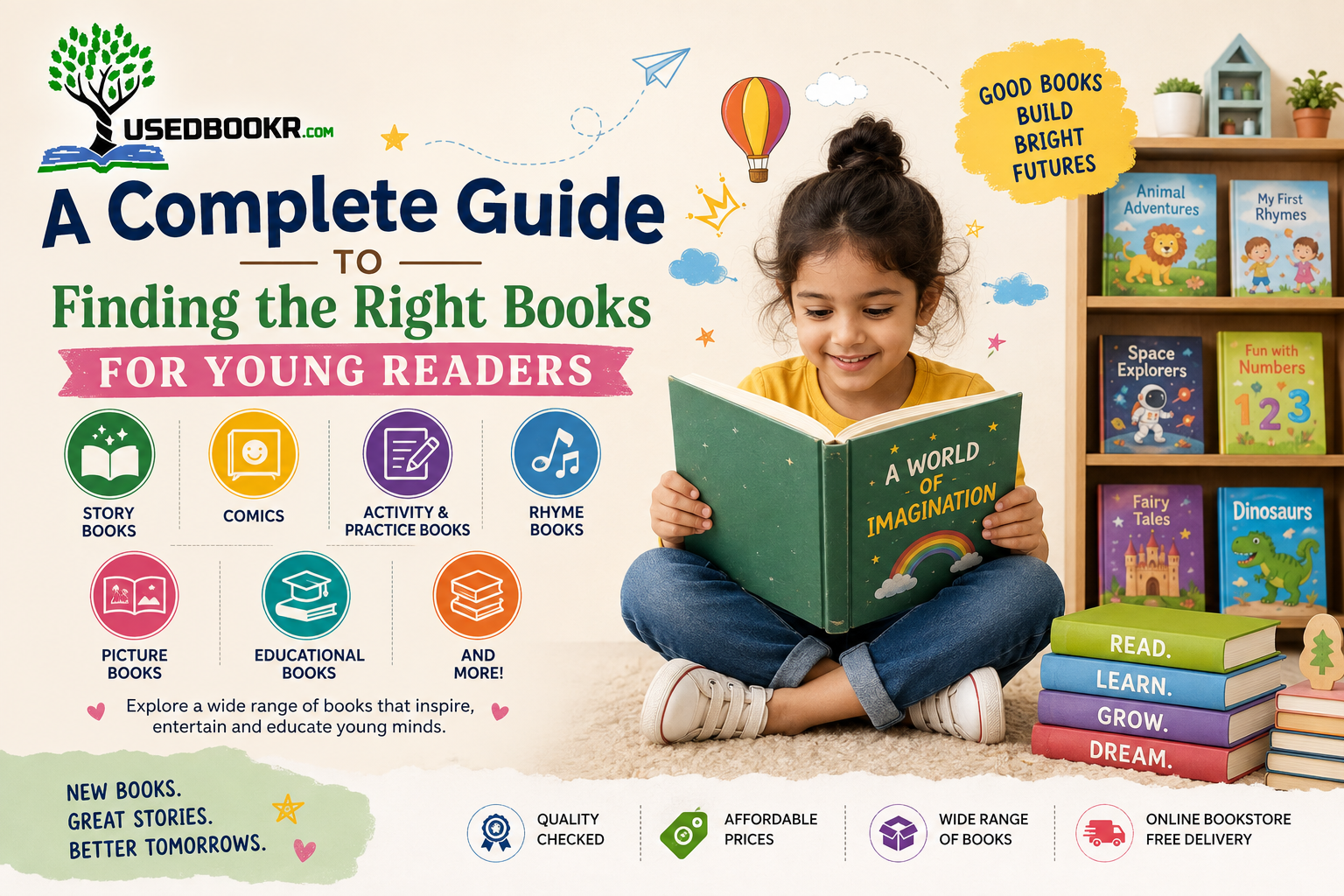
Children have different reading interests, so offering a
variety of books can make reading more enjoyable. Parents can gradually
introduce different formats and subjects based on a child's age, interests and
reading confidence.
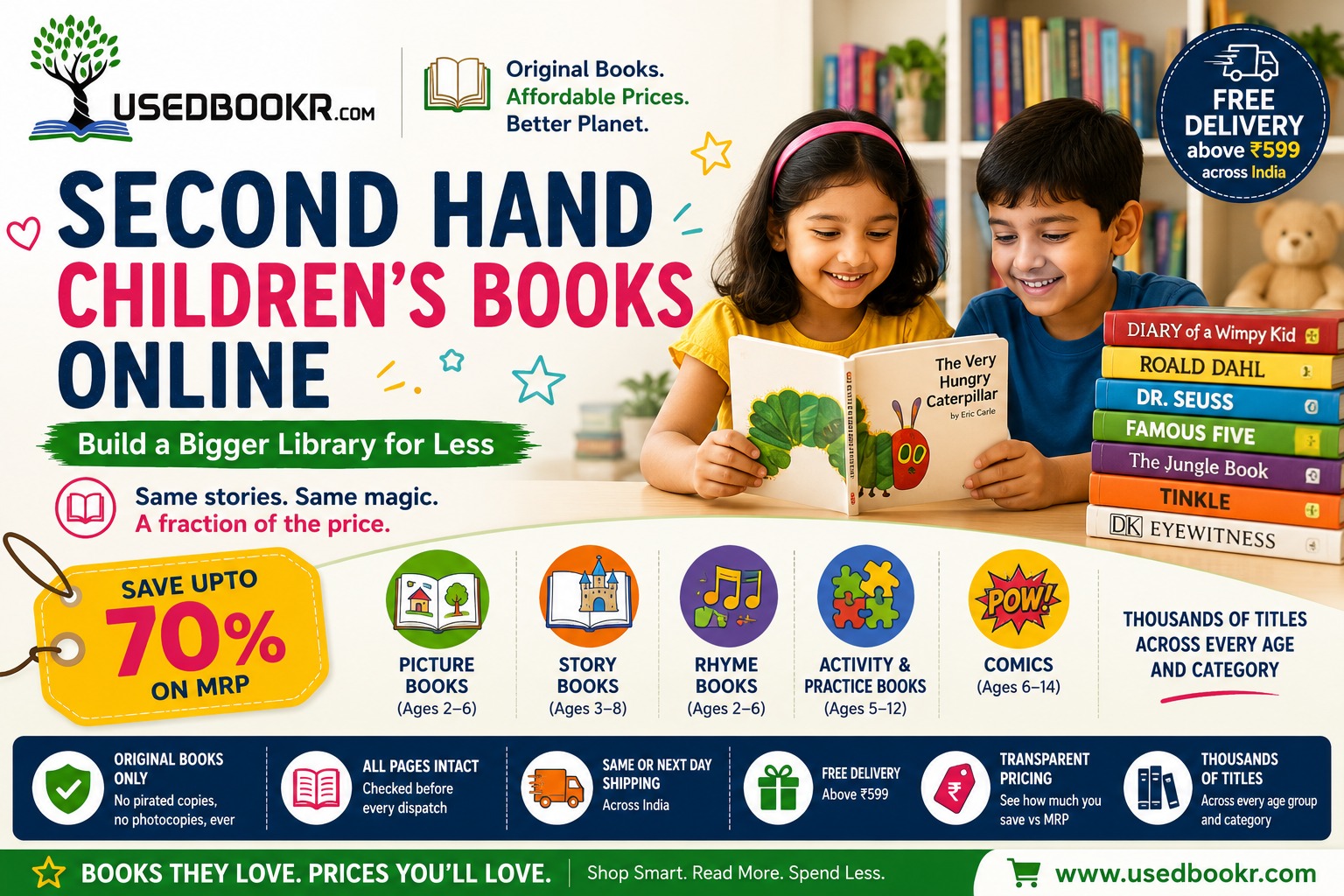
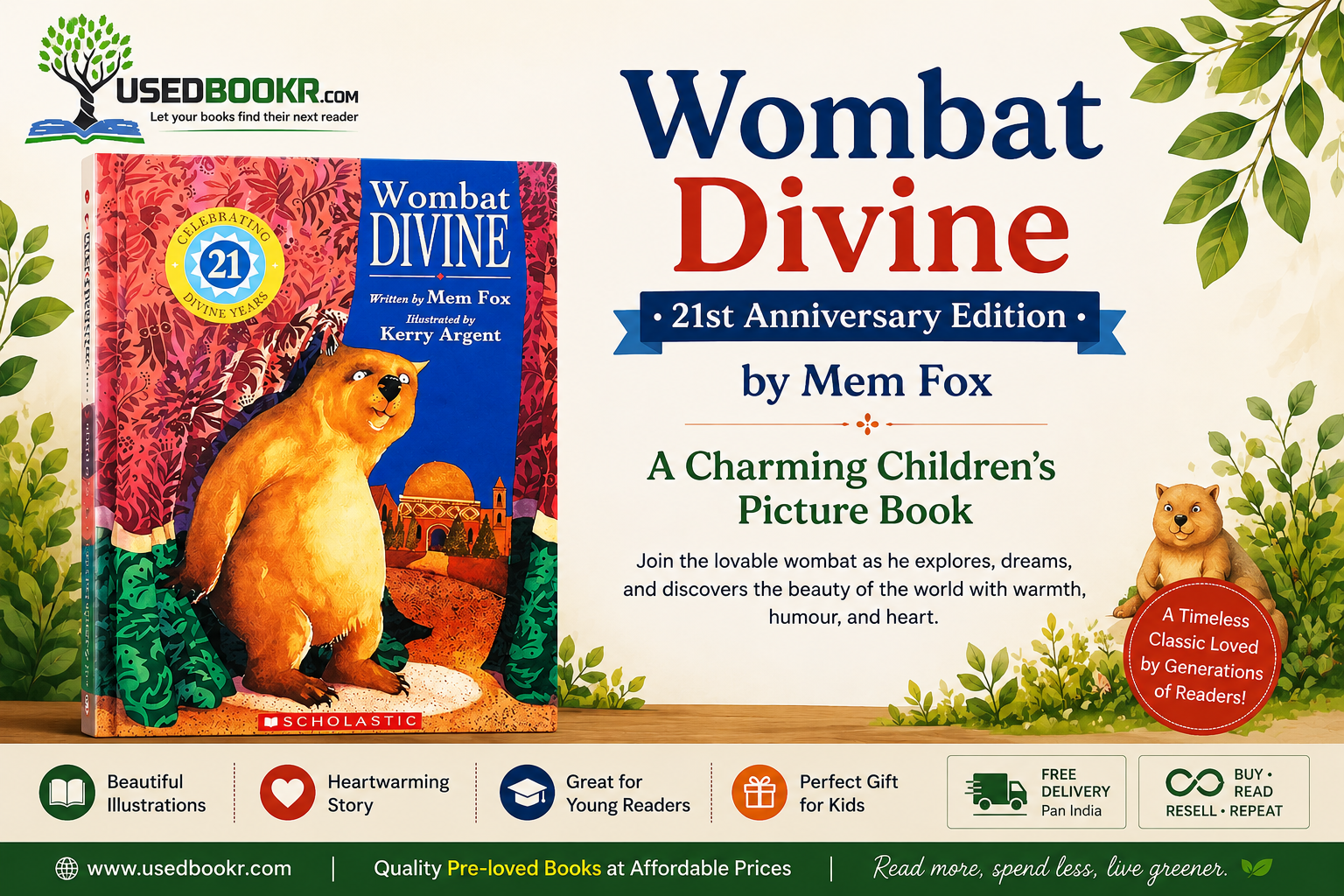
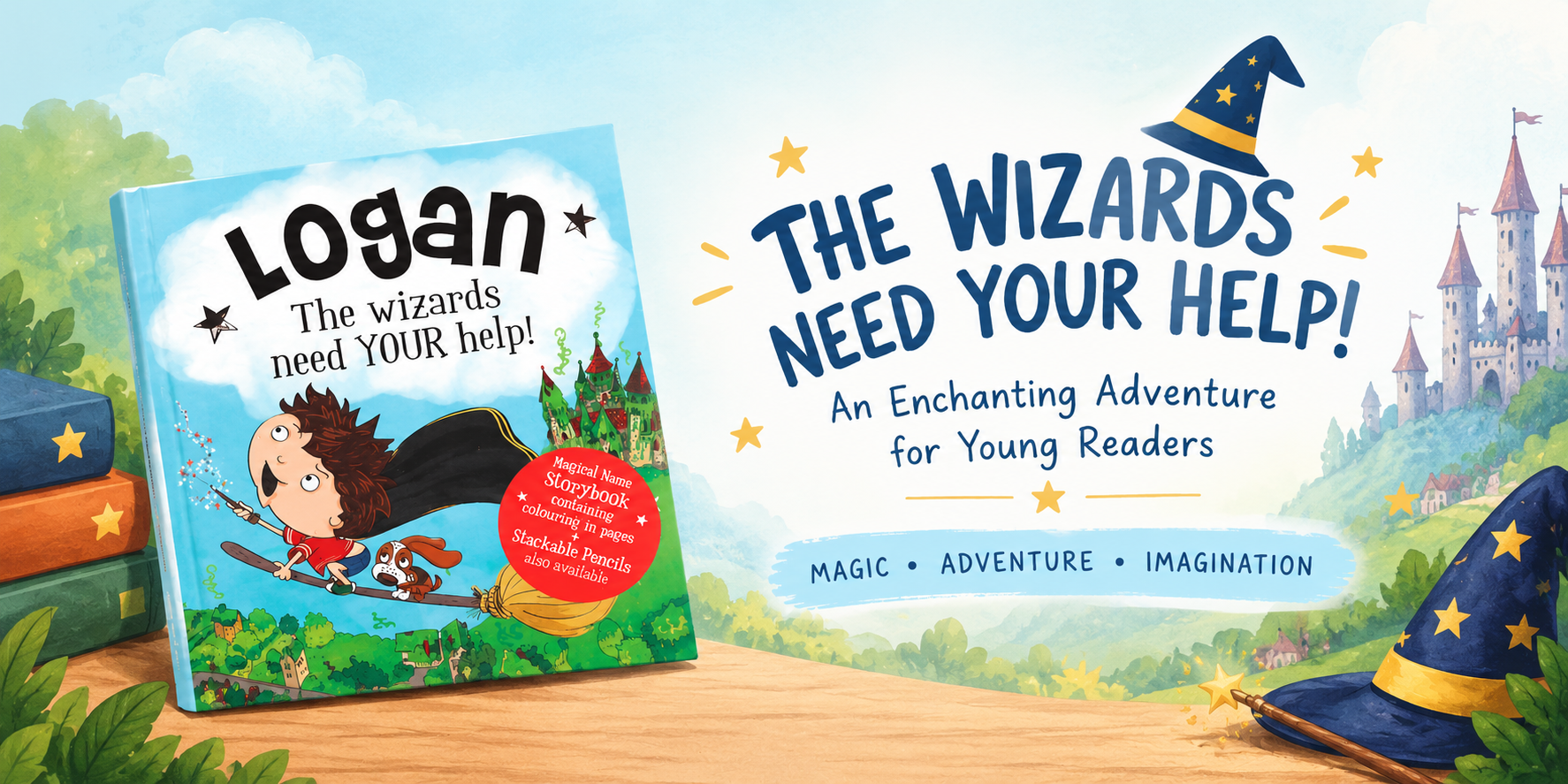
For engaging stories, discover Story Books. These can help children enjoy
characters, simple plots and imaginative storytelling.
For children who enjoy learning through activities, Activity & Practice Books can provide
interactive ways to practise skills while spending time with books.
Young children may enjoy Rhymes Books, while Comic Books can make reading engaging through
visual storytelling.
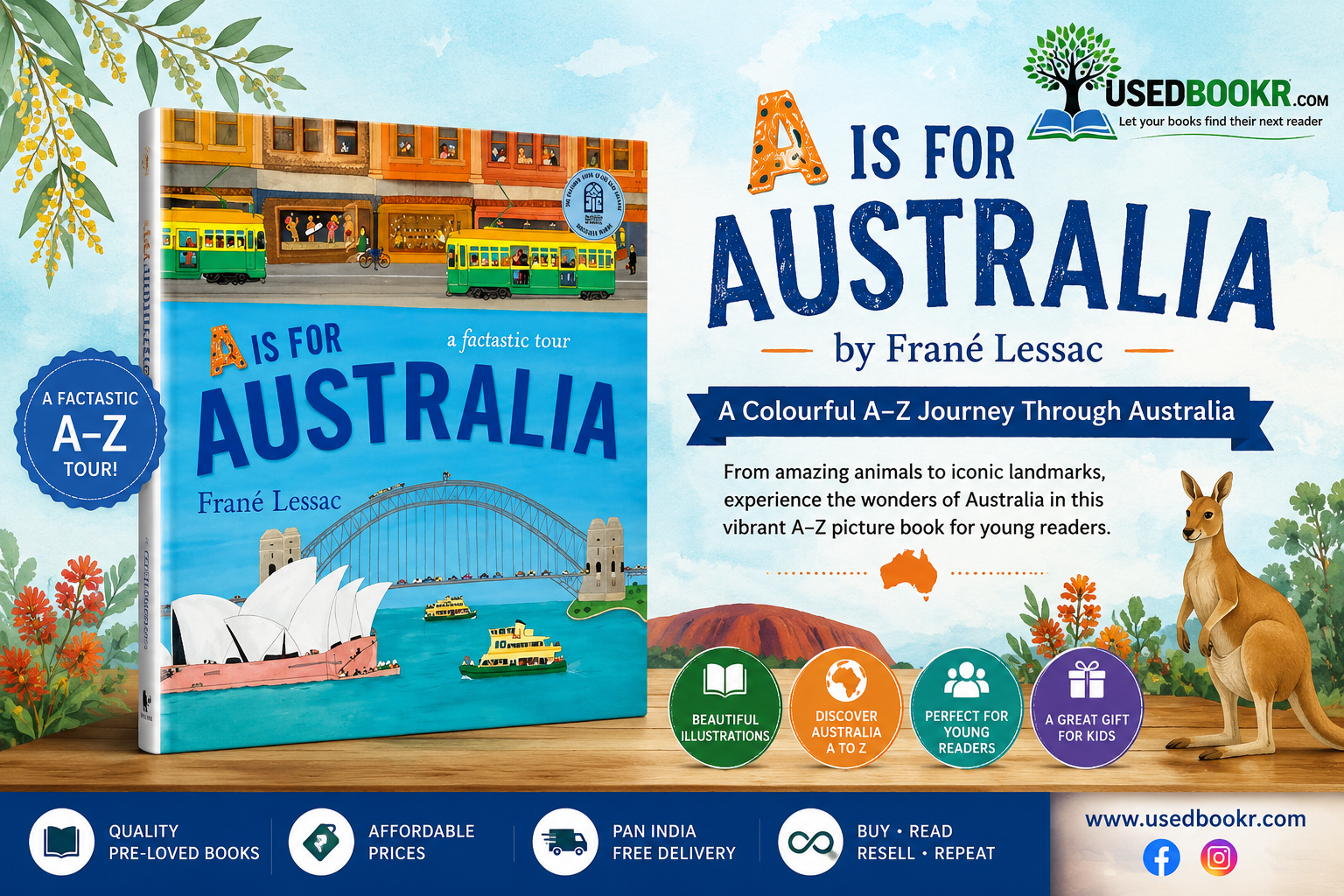
Children interested in animals can discover Animals and Pets Books. Younger readers can
also try Touch and Feel Books for a more interactive
reading experience.
Parents can also introduce adventure and other
age-appropriate genres as children become more confident. The goal is not to
make children read one particular type of book, but to help them discover what
keeps them interested.
Keep New
Reading Choices Available
Children may read more often when they have a choice of
books available. Instead of relying on only one or two titles, parents can keep
a small rotating collection based on the child's current interests.
For families with multiple children, having different types
of books can also make it easier to provide reading material for different ages
and interests. Used books in good condition can be a practical way to expand
the collection without making every purchase a major expense.
Create a
Simple Reading Routine
Buying books is only one part of developing a reading habit.
Children also benefit from having a regular time for reading.
·
Reading for 15–20 minutes before bedtime
·
Having a quiet reading period after school
·
Reading together during weekends
·
Allowing children to choose one book for the
week
·
Discussing the story after finishing a book
The routine does not need to be complicated. Consistency can
help make reading a natural part of a child's day.
Read
Together With Children
For younger children, reading together can make books more
enjoyable. Parents can read stories aloud, look at illustrations and ask
children questions about characters and events.
As children become more confident readers, parents can
gradually encourage them to read independently. Questions such as “What do you
think will happen next?” or “Which character did you like?” can encourage
children to think about what they have read.
Encourage
Reading Beyond School Books
School textbooks are important, but children's reading does
not have to be limited to academic material. Storybooks, comics, rhymes,
activity books, animal books and interactive books can give children
opportunities to read simply for enjoyment.
Reading for pleasure can help children associate books with
curiosity and entertainment rather than only with homework and examinations. A
balanced collection can therefore include both educational and recreational
reading.
Build a
Reading-Friendly Environment
The environment around a child can also influence their
interest in books. Keeping books where children can easily see and reach them
can encourage spontaneous reading. A small bookshelf, reading corner or
dedicated space for books can make reading feel like a natural part of everyday
life.
Parents can also set an example by reading themselves. When
children regularly see adults reading books, magazines or other material,
reading can become a familiar household activity.
Make
Reading an Enjoyable Experience
Children may not immediately enjoy every book they pick up,
and that is completely normal. The important thing is to give them
opportunities to discover different types of books until they find subjects and
stories that interest them.
Parents can encourage children by talking about their
favourite characters, asking about the stories they are reading or allowing
them to choose their next book. When children connect books with curiosity,
entertainment and discovery, reading can gradually become an activity they look
forward to.
Frequently
Asked Questions
How can I develop a
reading habit in my child?
Start with a short, consistent reading routine and let your
child choose books that match their interests.
How long should
children read each day?
A simple 15–20 minute reading period can be a practical
starting point. Consistency is more important than a strict duration.
What types of books
are good for young readers?
Story books, rhymes, comics, activity books, animal books
and interactive books can give children different ways to enjoy reading.
How can I encourage a
child who does not like reading?
Offer different subjects and formats, allow the child to
choose, read together and keep the experience enjoyable rather than compulsory.
Are used books
suitable for children?
Used books in good condition can be a practical option,
especially when children quickly move on to new interests.
Final
Thoughts
Developing a reading habit does not require an expensive
library or a complicated routine. Providing children with accessible books,
allowing them to choose their interests and creating regular opportunities to
read can make a meaningful difference.
📚
Visit UsedBookr
For more books and children's reading choices, visit www.usedbookr.com

Our Location
UsedBookR.com,22/C Goutham Nagar, palani goundan pudur Vadamadurai post, Coimbatore, Tamilnadu, India - 641017

Subscribe Newsletter


 FREE DELIVERY OVER ₹599